 AnatomyCompass
Canine infectious respiratory disease complex
Infectious · Dog
Contagious respiratory infection of dogs ("kennel cough") caused by one or more viruses and bacteria. Most dogs have a self-limiting tracheobronchitis; a minority develop pneumonia.
Key points
- The cough is sudden, loud and harsh, and is triggered by palpation of the larynx or trachea.
- Most dogs stay bright, keep eating and recover in one to three weeks.
- Fever, lethargy, anorexia, tachypnoea and a productive cough suggest pneumonia.
- Antibiotics are kept for dogs with systemic signs; doxycycline is a common first choice.
- PCR panels identify the agents involved and are useful in outbreaks and shelters.
What it is
Canine infectious respiratory disease complex (CIRDC), commonly called kennel cough or infectious tracheobronchitis, is an acute, highly contagious infection of the airways.
It is multifactorial. Several pathogens, often in combination, damage the respiratory epithelium and the mucociliary clearance. The main agents are:
- Bordetella bronchiseptica
- canine parainfluenza virus
- canine adenovirus type 2
- canine respiratory coronavirus
- canine influenza virus, H3N8 and H3N2
- canine herpesvirus
- Mycoplasma spp.
- Streptococcus equi* subsp. *zooepidemicus
Canine distemper virus can begin with similar signs.
Transmission is by aerosols, direct contact and fomites, and is favoured where many dogs gather.
Who it affects
Dogs of any age and breed, especially those in shelters, boarding kennels, day-care centres, shows and training classes.
Puppies and debilitated or old dogs are more likely to develop severe disease or pneumonia.
Anatomy involved
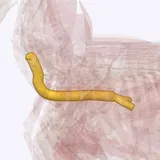
The trachea and bronchi are the main site of disease. Inflammation of their mucosa causes the cough.
The cough is easily triggered from the larynx. Involvement of the upper airways brings nasal and ocular discharge and sneezing.
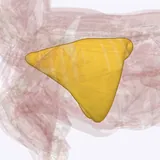
In complicated cases, secondary bacterial bronchopneumonia develops in the lungs.
Clinical signs
Incubation lasts from a few days to about 10 days.
The main sign is a sudden, loud, harsh cough, often followed by gagging or retching. It is easily triggered by palpation of the larynx or trachea. Nasal and ocular discharge and sneezing go with it.
Most dogs stay bright and eat normally, and signs resolve in one to three weeks.
Fever, lethargy, anorexia, tachypnoea and a productive cough suggest pneumonia.
Diagnosis
- In uncomplicated cases, compatible signs and a history of contact with other dogs are usually enough.
- Dogs with systemic signs get thoracic radiographs to look for an alveolar pattern.
- PCR panels on nasopharyngeal or tracheal swabs or respiratory discharges identify the agents involved. They are useful in outbreaks and shelters.
- Pneumonia or refractory cases call for airway lavage with culture and sensitivity.
Treatment
Uncomplicated cases resolve on their own. Isolation from other dogs is recommended.
Antitussives can be used for a persistent cough when there is no pneumonia.
Antibiotics active against Bordetella and Mycoplasma are reserved for dogs with mucopurulent discharge together with fever, lethargy or inappetence, or with suspected pneumonia. Doxycycline is a common first choice.
Pneumonia may need hospitalisation, parenteral antibiotics and oxygen.
Prevention relies on:
- vaccination, with parenteral and mucosal vaccines against Bordetella, parainfluenza, adenovirus and, where relevant, influenza
- ventilation in kennels
- hygiene in kennels
Structures affected
References
- Sykes JE. Greene's Infectious Diseases of the Dog and Cat, 5th ed. Elsevier (2021)
- Nelson RW, Couto CG. Small Animal Internal Medicine, 6th ed. Elsevier (2019)
- Merck Veterinary Manual: Kennel Cough
- Merck Veterinary Manual: Canine Influenza (Flu)
- Merck Veterinary Manual: Pneumonia in Dogs and Cats
- Lappin MR, Blondeau J, Boothe D, et al. Antimicrobial use Guidelines for Treatment of Respiratory Tract Disease in Dogs and Cats: Antimicrobial Guidelines Working Group of the International Society for Companion Animal Infectious Diseases. J Vet Intern Med 31:279-294 (2017)
See it in 3D on your iPhone
Peel the layers, spin the model, quiz yourself on it and stand it on your desk in AR. AnatomyCompass is coming to iPhone, iPad and Mac: get one email when it’s out.
Text adapted from Vet Atlas (CC BY-SA 4.0). Sources and licences. This veterinary text has not yet been reviewed by a veterinarian.