Cornea
Cornea · Head and neck · Organ
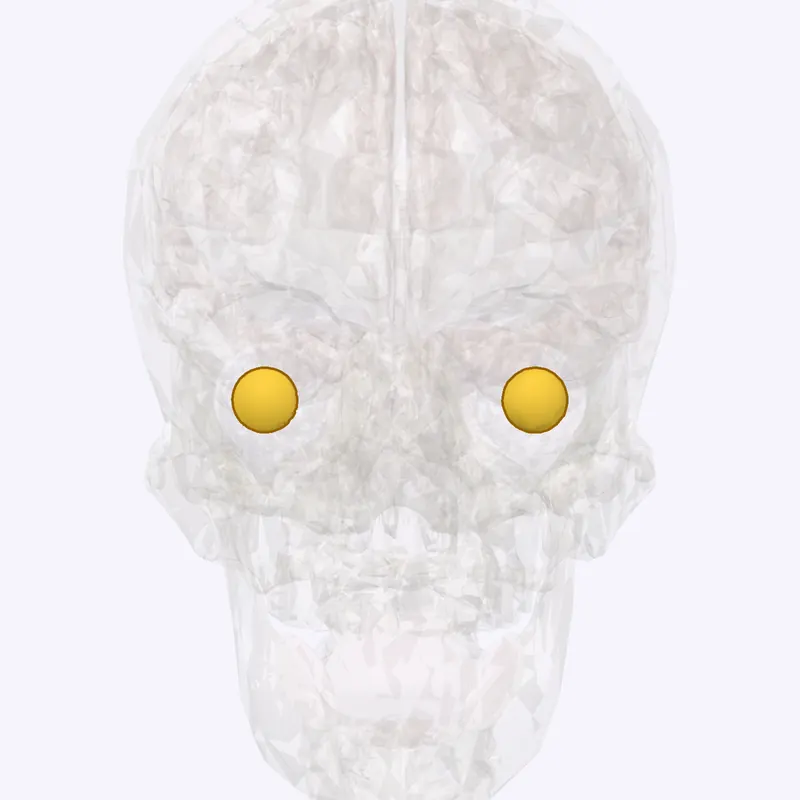
The clear, curved front window of the eye, providing about two-thirds of its focusing power.
Quick facts
- Latin name
- Cornea
- Type
- Organ
- Body area
- Head and neck
Cornea: location
Front of the eyeball, continuous with the sclera at the limbus.
Cornea: function
Refracts light; protective barrier.
Cornea: blood supply
None: nourished by the tear film and aqueous humour.
Cornea: nerve supply
Long ciliary nerves from the nasociliary nerve (V1): very sensitive.
3D views
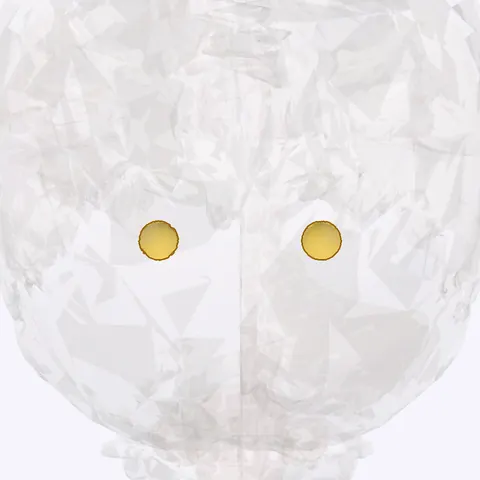
Cornea: clinical note
The corneal reflex tests V1 (sensory) and VII (blink).
Questions about the cornea
What is the cornea?
The clear, curved front window of the eye, providing about two-thirds of its focusing power.
What does the cornea do?
Refracts light; protective barrier.
Where is the cornea?
Front of the eyeball, continuous with the sclera at the limbus.
What is the blood supply of the cornea?
None: nourished by the tear film and aqueous humour.
See the cornea in 3D
Peel the layers, spin the model, quiz yourself on it and stand it on your desk in AR. AnatomyCompass is coming to iPhone, iPad and Mac: get one email when it’s out.
Other organs: head and neck
- Cerebrum
- Precentral gyrus
- Postcentral gyrus
- Corpus callosum
- Fornix and septum pellucidum
- Basal nuclei
- Internal capsule
- Thalamus
- Hypothalamus
- Pituitary gland
- Hippocampus
- Amygdala
- Ventricles of the brain
- Midbrain
- Pons
- Medulla oblongata
- Cerebellum
- Optic chiasm and tract
- Tentorium cerebelli
- Eyeball
- Iris and ciliary body
- Lens
- Vitreous body
- Lacrimal apparatus
- Eyelids
- Ear
- Nasal cartilages
- Tongue
- Lips
- Gums
- Submandibular and sublingual glands
- Thyroid cartilage
- Cricoid cartilage
- Arytenoid and small laryngeal cartilages
- Epiglottis
Spotted something wrong? Tell us and we’ll fix it. This page is a study reference, not medical advice.